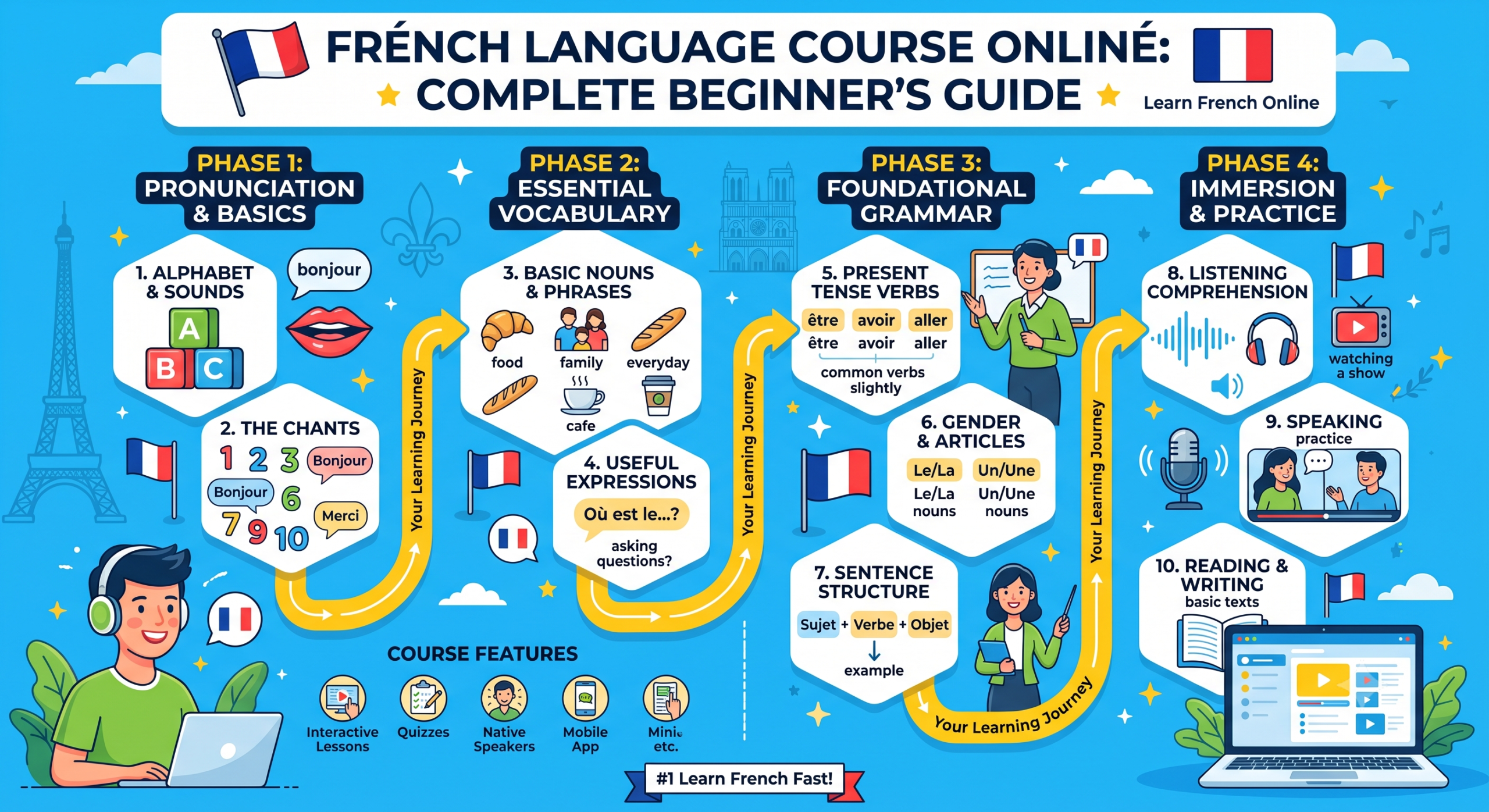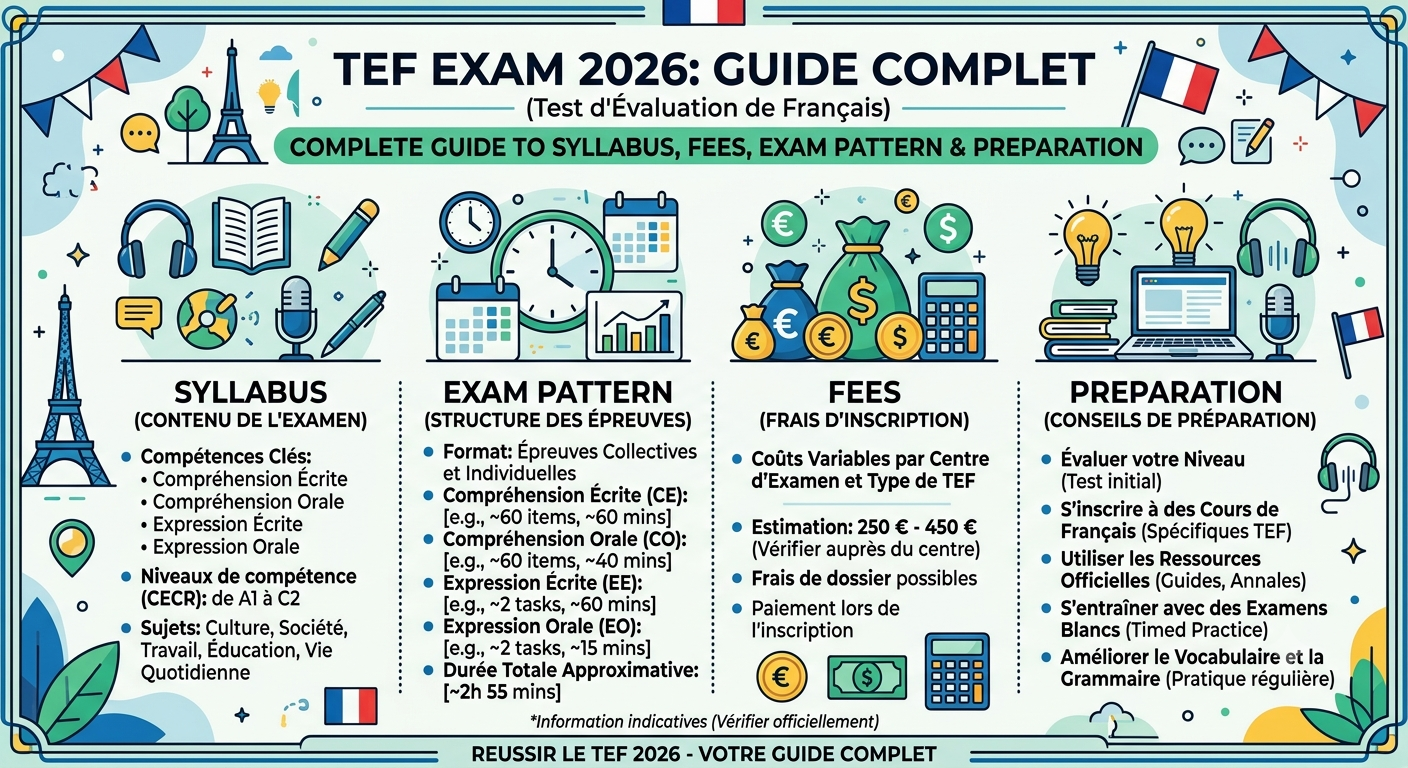
French language training online
Choosing the right French language training online program can be overwhelming with so many options claiming to make you fluent in weeks. The truth is, effective online French training isn’t about miracle shortcuts — it’s about structured lessons, consistent practice, and real speaking opportunities that build genuine skill over time. Whether you’re training for a career move, an upcoming trip, academic requirements, or simply personal growth, understanding what actually makes online French training effective will save you months of wasted effort and help you choose a program that delivers real results.
This guide covers everything you need to know about French language training online — how it works, what to look for, and how to build a training plan that actually gets you speaking French with confidence.
What Makes Online French Training Different from Traditional Classes
French language training online has evolved significantly from the early days of static video lessons and printable worksheets. Today’s best programs combine several elements that traditional classroom settings often can’t match.
Personalized pacing: Instead of moving at the speed of an entire classroom, online training lets you spend extra time on challenging concepts like the subjunctive mood while moving quickly through material you grasp easily.
Access to specialized instructors regardless of location: Rather than being limited to whoever teaches at your local language school, online training connects you with native speakers and certified instructors from anywhere in the world.
Flexible scheduling around real life: Training sessions can happen before work, during lunch breaks, or late at night — whatever fits your actual schedule, rather than forcing you to rearrange your life around a fixed class time.
Technology-enhanced practice: Speech recognition for pronunciation feedback, spaced repetition systems for vocabulary retention, and instant progress tracking are tools that simply weren’t available in traditional classroom settings a generation ago.
Core Components of Effective French Language Training Online
Live Instruction
Pre-recorded videos are useful for introducing concepts, but they can’t correct your pronunciation in real time or adjust when you’re clearly confused. Live sessions — whether one-on-one or in small groups — are what actually build speaking confidence and provide the corrective feedback that self-study alone cannot offer.
Structured Curriculum Aligned to Proficiency Levels
Quality French language training online should be organized around the CEFR framework (A1 through C2), so you always know exactly where you stand and what skills come next. Training that jumps around topics without a clear progression path tends to leave gaps in foundational knowledge that cause problems later.
Speaking Practice from Day One
The most effective training programs introduce speaking practice immediately, even if it’s just simple greetings in your very first session. Speaking is a skill that develops through repetition and active use, not passive absorption of grammar rules.
Listening Comprehension Development
Understanding native-speed French — in conversations, podcasts, films, and everyday interactions — requires dedicated listening practice at every level. Good training programs gradually increase listening difficulty, starting with slow, clear audio and building toward natural conversational speed.
Practical, Real-World Vocabulary
Effective training emphasizes vocabulary and phrases you’ll actually use — ordering food, navigating airports, handling professional emails, making small talk — rather than purely academic or textbook-style content disconnected from daily life.
Consistent Feedback and Correction
Whether through live instructor feedback or AI-powered pronunciation tools, ongoing correction prevents bad habits from forming and reinforces good ones before they become difficult to unlearn.
Types of French Language Training Online Available
One-on-One Tutoring
Private sessions offer fully personalized attention, allowing instructors to tailor content specifically to your goals, pace, and areas of difficulty. This format works particularly well for learners with specific objectives, such as business French or exam preparation.
Small Group Classes
Group training provides the benefit of peer interaction and practice, often at a more affordable price point than private tutoring, while still maintaining enough individual attention for meaningful correction and feedback.
Self-Paced Modules
Many programs supplement live instruction with self-paced coursework covering vocabulary drills, grammar exercises, and listening practice, allowing learners to reinforce material between scheduled sessions.
Intensive Training Programs
For learners with specific deadlines — an upcoming move, job requirement, or certification exam — intensive training programs compress the learning timeline through more frequent sessions and heavier weekly commitments.
Specialized Business or Professional Training
Corporate and professional-focused French language training online programs concentrate on industry-specific vocabulary, email writing, presentations, and negotiation language relevant to workplace needs.
How to Choose the Right French Language Training Program
Assess Your Specific Goals First
Training for a business trip requires different content than training for a university certification exam or a permanent relocation. Before comparing programs, get clear on exactly what you need French for and by when.
Check Instructor Qualifications
Look for programs with certified instructors, ideally native or near-native speakers with specific experience teaching your proficiency level. Teaching absolute beginners requires different skills than teaching advanced learners preparing for nuanced academic writing.
Verify the Curriculum Structure
Ask to see a syllabus or curriculum outline before committing. You should be able to clearly see what topics are covered, in what order, and how they map to recognized proficiency levels.
Confirm the Balance of Skills Covered
Make sure the training addresses speaking, listening, reading, and writing in a balanced way, rather than overemphasizing one skill (usually grammar or vocabulary memorization) at the expense of practical communication ability.
Look for Transparent Progress Tracking
Quality programs provide clear ways to measure your improvement over time, whether through regular assessments, skill benchmarks, or detailed progress dashboards.
Consider Scheduling Flexibility
Training that fits into your actual life, rather than requiring rigid adherence to fixed schedules, is far more sustainable for long-term consistency — which matters more than almost anything else in language learning.
Common Mistakes to Avoid in Online French Training
Relying solely on apps without live practice: Vocabulary apps are useful supplements, but they cannot replace the corrective feedback and speaking practice that live instruction provides.
Skipping speaking practice until “ready”: Waiting until you feel confident enough to speak often means waiting indefinitely. Speaking practice builds confidence — it doesn’t require confidence to begin.
Inconsistent practice schedules: Sporadic, unpredictable study sessions are far less effective than shorter, consistent daily or weekly practice, even if the total time invested is similar.
Ignoring listening comprehension: Many learners focus heavily on grammar and vocabulary while neglecting listening practice, then struggle significantly when trying to understand native speakers in real conversations.
Choosing based on price alone: The cheapest option isn’t always the most cost-effective if it lacks structured curriculum, live instruction, or adequate progress tracking, ultimately requiring more time (and money) to reach your goals.
How Global Diction Studio Structures Effective French Language Training Online
At Global Diction Studio, our French language training online is built around the principle that real fluency comes from structured, consistent, speaking-focused practice — not passive memorization or scattered self-study.
Every learner begins with a level assessment to identify their current proficiency and establish a clear, personalized training path. From there, our CEFR-aligned curriculum guides you systematically through vocabulary, grammar, listening, and speaking skills appropriate to your level, ensuring nothing feels random or disconnected.
Live classes with experienced native and certified instructors form the core of our training, with speaking practice integrated from the very first session rather than delayed until “enough” grammar has been covered. Between live sessions, self-paced modules reinforce vocabulary using spaced repetition, while pronunciation exercises use speech recognition technology to provide immediate, actionable feedback.
We offer flexible formats to match different learning preferences and goals — one-on-one tutoring for fully personalized pacing, small group classes for collaborative practice, and specialized tracks for business French, exam preparation, or intensive timelines. Our transparent progress dashboard keeps training goal-oriented, showing exactly what’s been mastered and what’s coming next.
Building a Realistic Training Plan
For Casual Learners (2-3 hours per week)
This pace works well for learners without a specific deadline, focused on steady, sustainable progress. Expect to reach A2 level within approximately 6-9 months, with continued progress toward B1 over the following year.
For Committed Learners (5-7 hours per week)
This more intensive pace suits learners with specific goals like upcoming travel, career requirements, or moderate deadlines. Expect to reach B1 level within 6-9 months, with strong conversational ability developing steadily throughout.
For Intensive Learners (10+ hours per week)
This pace fits learners with firm deadlines, such as an upcoming certification exam or relocation date. With this level of commitment, reaching B2 within 6-8 months from a beginner starting point becomes realistic, though it requires significant weekly time investment.
The Role of Immersion Alongside Formal Training
While structured French language training online provides the foundation, supplementing it with immersion activities significantly accelerates progress:
Watching French media: Films, TV shows, and YouTube content with French subtitles reinforce vocabulary and listening comprehension in natural, engaging contexts.
Listening to French podcasts or music: Passive exposure during commutes or downtime reinforces pronunciation patterns and rhythm even when you’re not actively studying.
Following French social media accounts: Short-form content in French provides low-pressure daily exposure to current, casual language use.
Language exchange practice: Conversing with native French speakers outside of formal training sessions provides additional speaking practice and cultural insight.
Reading French content at your level: Simplified news sites, graded readers, or children’s books (for beginners) reinforce vocabulary and grammar structures through natural reading practice.
Frequently Asked Questions
How effective is French language training online compared to in-person classes?
When structured properly with live instruction, clear curriculum, and consistent speaking practice, online training is equally effective as in-person classes — often more so due to flexible scheduling and access to specialized instructors regardless of location.
How many hours of French language training online do I need per week to see progress?
Most learners see meaningful progress with 3-5 hours per week combining live classes and self-paced practice, though intensive learners aiming for faster results may commit 7-10+ hours weekly.
Can I do French language training online if I have zero prior experience?
Yes. Quality online training programs are designed to accommodate complete beginners, starting with pronunciation basics and foundational grammar before building toward conversational ability.
What’s the difference between French language training online and free learning apps?
Structured online training typically includes live instruction, personalized feedback, and a clear curriculum progression, while free apps generally offer only self-paced vocabulary drills without corrective feedback or speaking practice.
How long does French language training online take to reach conversational fluency?
Most learners reach conversational ability (roughly B1 level) within 6-12 months of consistent training, assuming 3-5 hours per week of combined live instruction and self-practice.
Is one-on-one or group French language training online better?
One-on-one training offers fully personalized pacing and attention, ideal for specific goals or faster progress, while group training provides more affordable pricing and valuable peer interaction — the right choice depends on your budget, goals, and learning style.
Does French language training online include speaking practice, or just grammar and vocabulary?
Quality programs integrate speaking practice from the very first session, since developing genuine conversational ability requires active speaking practice, not just passive grammar and vocabulary study.
Can French language training online help me prepare for DELF or DALF certification?
Yes, many structured online training programs offer dedicated certification preparation tracks, including timed mock exams and personalized feedback on writing and speaking sections specifically aligned to DELF/DALF exam formats.
Final Thoughts
Effective French language training online isn’t about finding a magic shortcut — it’s about consistent, structured practice that builds real speaking ability alongside grammar and vocabulary knowledge. The learners who succeed fastest are the ones who commit to regular practice, prioritize speaking from the beginning, and choose training programs that offer genuine live instruction and clear progression rather than scattered, disconnected content.
Global Diction Studio’s French language training online is built around exactly this approach — structured, consistent, and focused on real conversational ability from your very first lesson. Whether you’re a complete beginner or working toward advanced fluency, the right training plan can get you speaking French with genuine confidence faster than you might expect.