
French Certification Course for Study in France: The Complete Guide
If you’re planning to study in France, chances are you’ve already discovered that language proficiency isn’t just a suggestion — it’s often a hard requirement. Most French universities, grandes écoles, and specialized programs ask for proof of your French ability before they’ll even consider your application. That’s where a structured French language course built specifically around certification comes in, helping you go from wherever you currently stand to a level that satisfies admissions requirements, all while genuinely preparing you for academic life in France.
This guide walks through exactly what French certification means for study abroad purposes, which certificates universities actually accept, and how to choose a French language course that gets you exam-ready without wasting time on the wrong material.
Why French Certification Is Required for Studying in France
Unless you’re applying to a program taught entirely in English (which does exist, particularly at the graduate level in certain fields), French universities need proof that you can actually function academically in the language — attending lectures, writing essays, participating in discussions, and completing exams entirely in French.
Certification solves a practical problem for universities: rather than assessing every applicant’s language skills individually through interviews, they rely on standardized, internationally recognized exams to filter applicants efficiently and fairly. For you as the applicant, this means the right certification isn’t just a formality — it’s often the single biggest factor determining whether your application even gets considered.
Beyond admissions, having genuine proficiency (not just a certificate) also determines how well you’ll actually adjust once you arrive. Struggling to keep up with lectures or failing to build social connections because of a language barrier is one of the most common reasons international students report difficulty adjusting to study abroad, which is exactly why the certification process should be treated as real skill-building, not a box to check.
Which French Certificates Do Universities Accept?
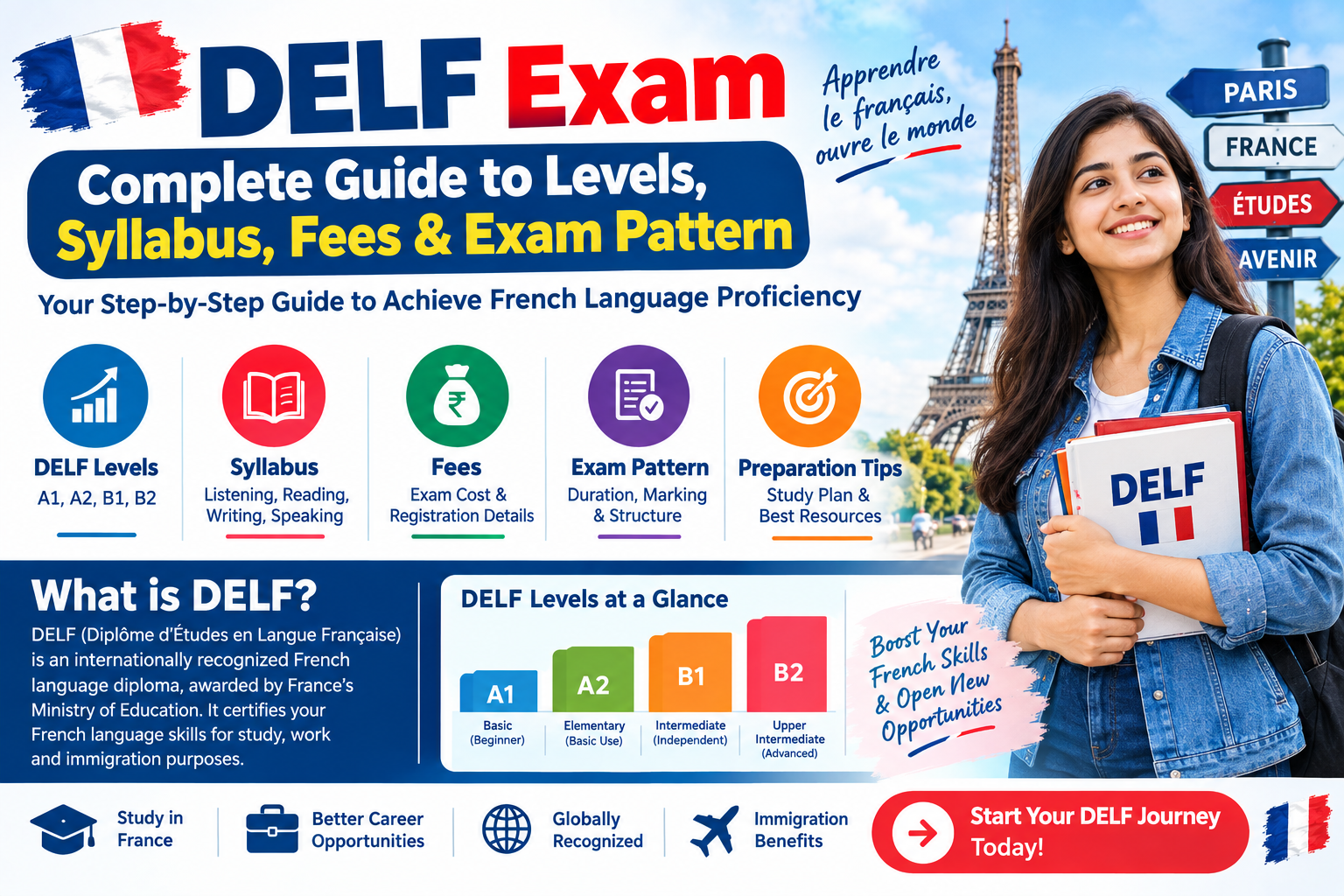
DELF (Diplôme d’Études en Langue Française)
DELF is the most commonly required certification for undergraduate admission to French universities. It’s divided into four levels — A1, A2, B1, and B2 — with B2 typically being the minimum requirement for most bachelor’s degree programs taught in French. DELF certificates never expire, which makes them a safe long-term investment if you’re planning your study abroad journey years in advance.
DALF (Diplôme Approfondi de Langue Française)
DALF covers the advanced levels, C1 and C2, and is often required for graduate programs, doctoral studies, or highly selective grandes écoles where academic French demands are significantly higher. Like DELF, DALF certification is valid for life.
TCF (Test de Connaissance du Français) — TCF pour le Séjour d’Études
While DELF/DALF are the gold standard for many programs, some universities also accept the TCF, particularly its academic variant designed specifically for study abroad applicants. Unlike DELF/DALF, the TCF is valid for only two years, so timing matters if you’re using this route.
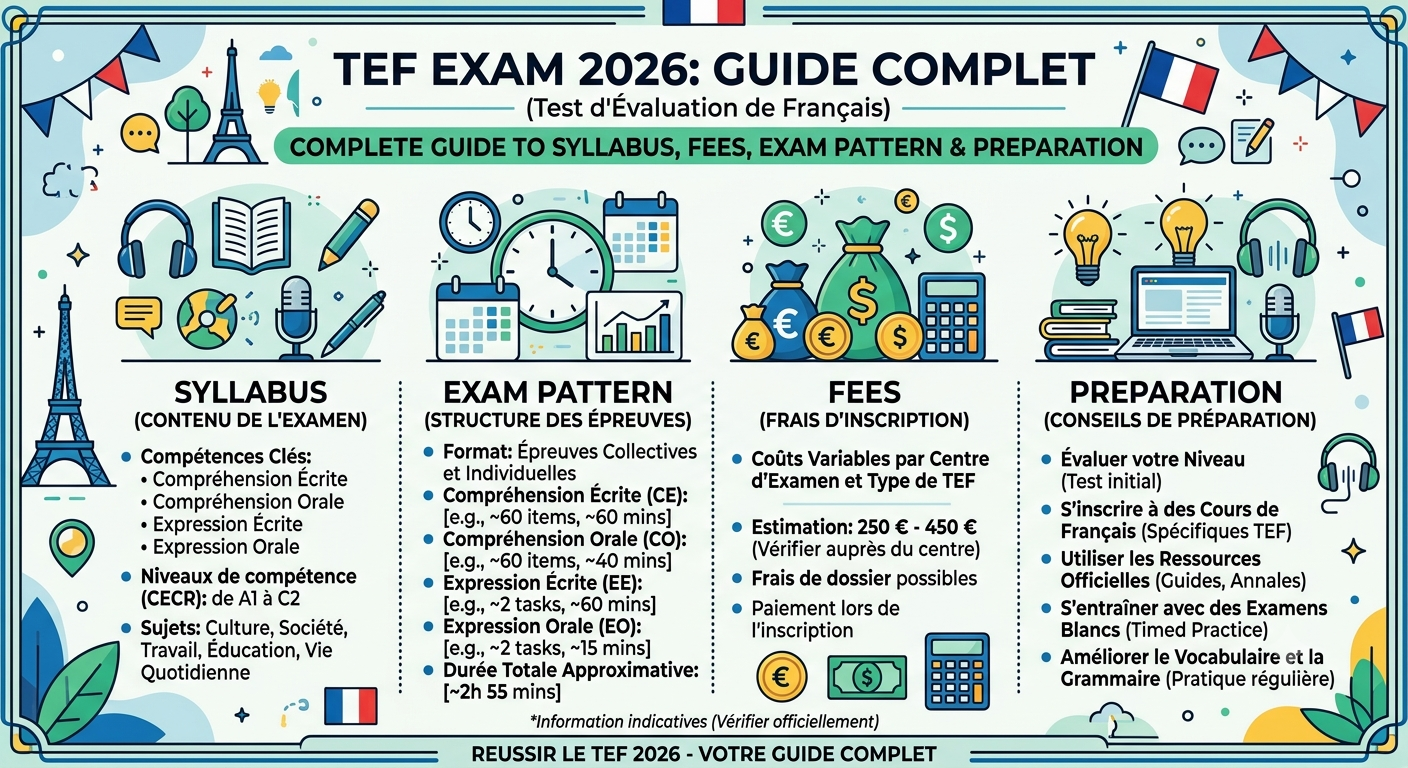
TEF (Test d’Évaluation de Français)
Less commonly required for direct university admission but occasionally accepted, the TEF is more frequently associated with immigration and professional contexts, though some institutions do list it as an acceptable alternative.
Before committing to any single French language course or exam preparation path, it’s worth checking the specific requirements listed by your target university, since acceptable certifications and minimum levels can vary program by program.
What Level of French Do You Actually Need?
This is one of the most common points of confusion for prospective students, so here’s a general breakdown:
B1 level: Sufficient for some vocational programs, certain preparatory language years, or foundation programs designed to bring international students up to academic speed before their official coursework begins.
B2 level: The most commonly required level for undergraduate (Licence) programs taught in French. This level indicates you can understand lectures, participate in discussions, and write structured academic essays, even if not yet with full fluency.
C1 level: Often required or strongly preferred for graduate (Master’s) programs, particularly in fields with dense reading loads or highly technical vocabulary, such as law, political science, or literature.
C2 level: Rarely mandatory but sometimes preferred for doctoral programs or highly competitive grandes écoles, representing near-native academic fluency.
Because these requirements vary significantly by institution and program, a good French language course should help you identify your target level early and build your study plan specifically around reaching it, rather than following a generic curriculum.
How a Structured French Language Course Prepares You for Certification
Aligning Coursework Directly with CEFR Levels
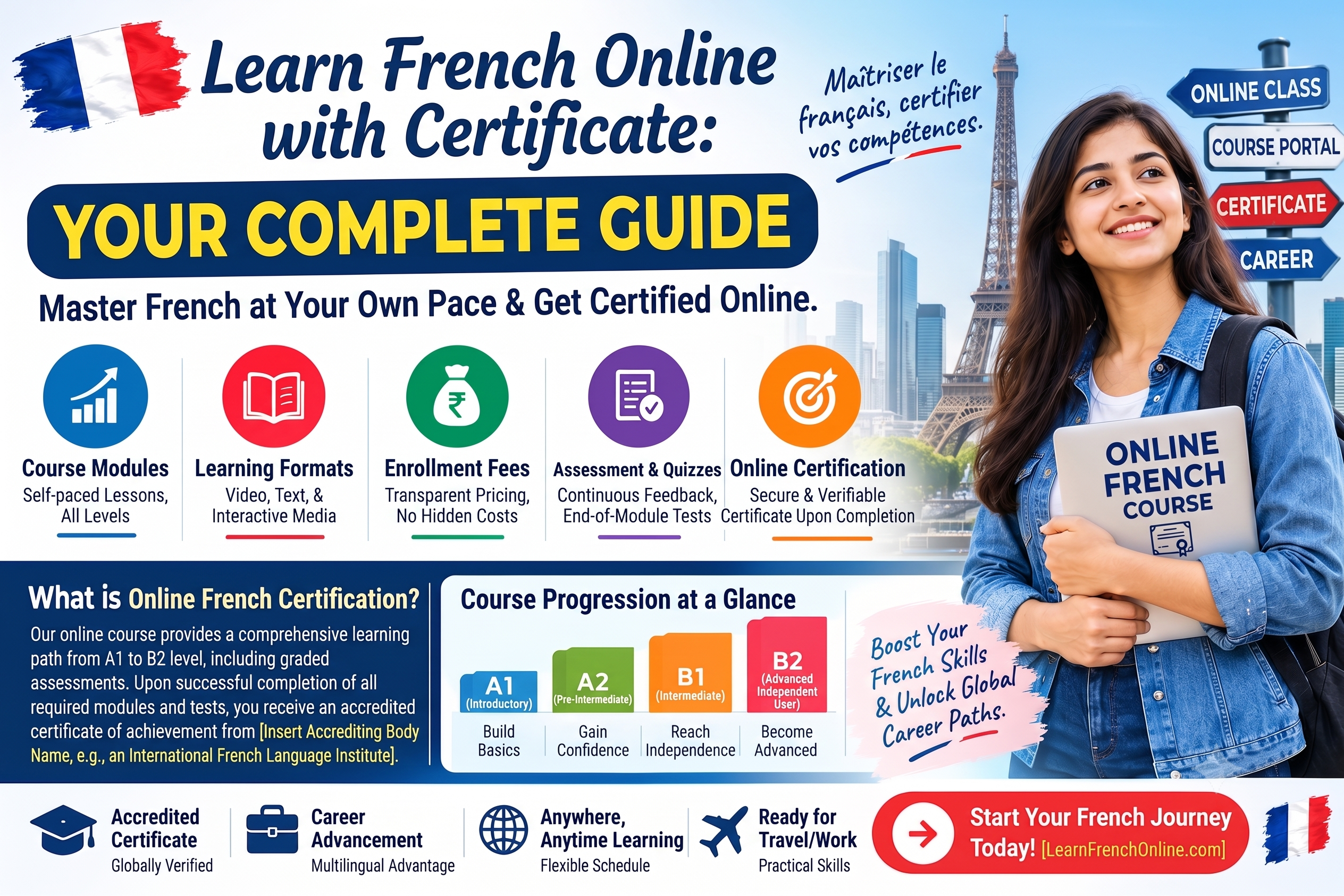
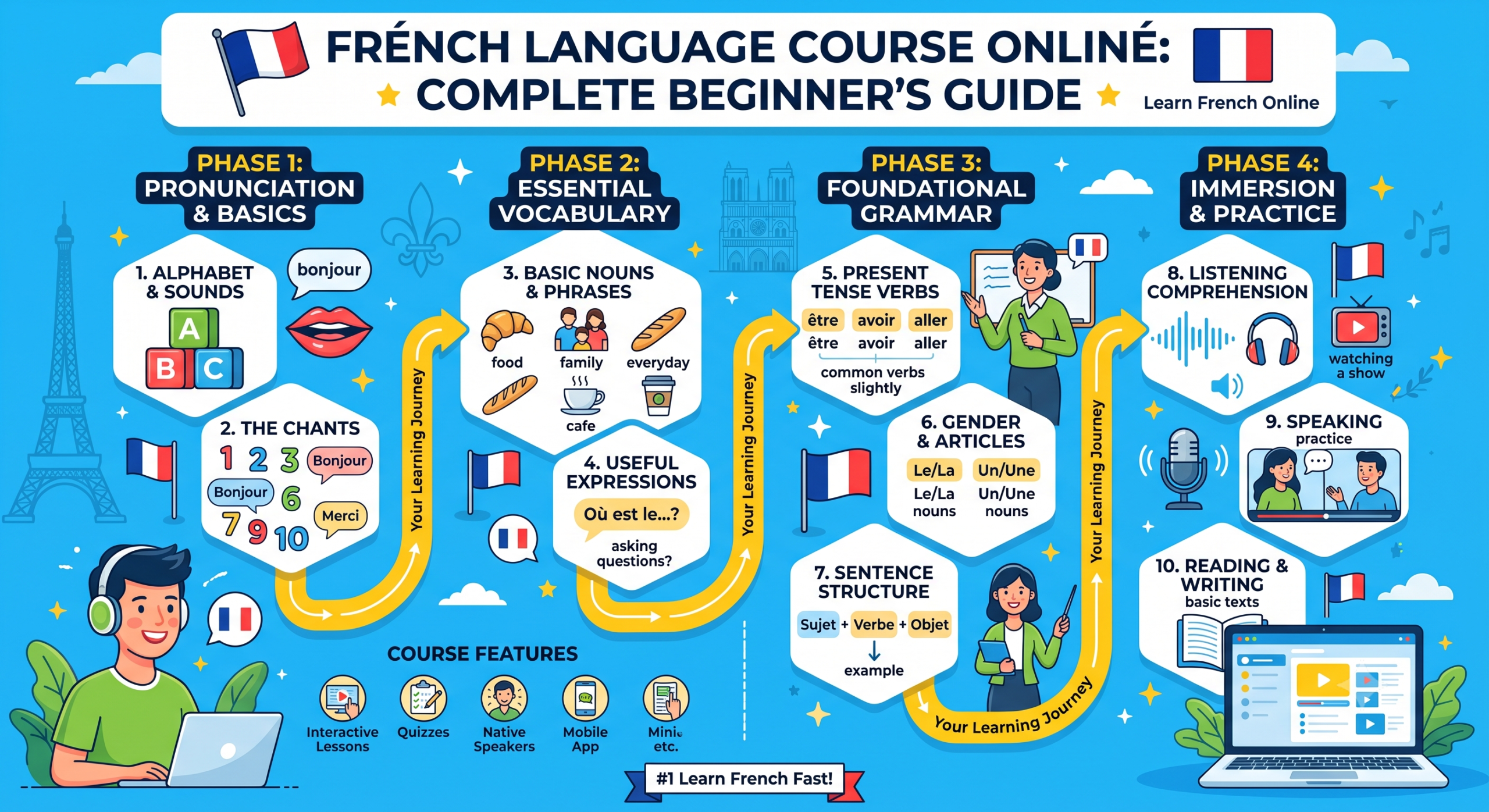
A certification-focused French language course should map every lesson directly onto the CEFR framework (A1 through C2), ensuring that what you’re studying at any given point directly supports your target certification level, rather than covering material in a way that feels disconnected from the actual exam.
Building All Four Tested Skills Equally
DELF and DALF exams test listening comprehension, reading comprehension, writing, and speaking — each carrying significant weight toward your final score. Courses that overemphasize grammar drills or vocabulary memorization while neglecting live speaking practice leave students underprepared for the oral component, which is often the section students find most intimidating.
Academic-Specific Vocabulary and Register
Studying in France isn’t just about conversational fluency — it requires comfort with academic vocabulary, formal writing conventions, and the kind of structured argumentation expected in French essays and presentations. A strong French language course aimed at study abroad preparation should specifically incorporate this academic register, not just everyday conversational French.
Timed Mock Exams Under Real Conditions
Simulating actual exam conditions — strict timing, official exam formats, and realistic difficulty — is one of the most effective ways to build both competence and confidence heading into the real test. Courses that skip this step often leave students technically capable but psychologically unprepared for exam-day pressure.
Personalized Feedback on Writing and Speaking
Since these two sections are evaluated subjectively by examiners, structured feedback from instructors who understand exactly what DELF/DALF examiners look for makes a measurable difference in scoring outcomes compared to self-assessment alone.
Choosing the Right French Language Course for Study Abroad Preparation
When evaluating options, prioritize a French language course that offers:
A clear certification pathway — the course should explicitly state which CEFR level it prepares you for and include dedicated exam-format practice, not just general language lessons.
Live instruction with experienced instructors — particularly instructors familiar with DELF/DALF exam standards and academic French requirements specifically.
Academic and formal French content — beyond conversational basics, look for coursework that includes essay writing, formal presentations, and academic vocabulary relevant to your intended field of study.
Realistic timelines based on your starting level — a good course should help you honestly assess how long you’ll need to reach your target certification, rather than promising unrealistic shortcuts.
Flexible scheduling for intensive preparation — especially valuable in the months leading up to your exam date or application deadline, when more frequent practice sessions can accelerate readiness.
How Global Diction Studio Supports Study Abroad Certification Goals
At Global Diction Studio, our French language course offerings are specifically structured to support students preparing for study in France, whether you’re targeting B2 for undergraduate admission or C1 for graduate programs.
Every learner begins with a level assessment to identify exactly where they stand and how much work is realistically needed to reach their target certification level. From there, our CEFR-aligned curriculum builds systematically toward that goal, incorporating academic vocabulary, formal writing practice, and structured argumentation alongside conversational fluency development.
Our dedicated DELF/DALF exam preparation track includes timed mock exams that mirror the actual test format, along with detailed, personalized feedback on writing and speaking sections from instructors experienced specifically in exam preparation. Live classes ensure you’re getting real speaking practice and immediate correction, rather than relying solely on self-paced study, while flexible scheduling allows you to intensify your practice sessions as your exam date or application deadline approaches.
For students who want additional structure, our progress dashboard tracks exactly where you stand relative to your certification goal, providing tangible milestones rather than vague, open-ended study.
Realistic Timeline: From Starting Point to Certification
Complete beginners aiming for B2: This typically requires 9-15 months of consistent study (5+ hours per week), since B2 represents a significant jump from zero prior knowledge through multiple CEFR levels.
Learners with some prior French (A2-B1) aiming for B2: Usually achievable within 4-8 months of focused, consistent study, depending on your existing foundation and study intensity.
B2-level learners aiming for C1 (graduate admission): Generally requires an additional 6-12 months of advanced study, with heavy emphasis on academic vocabulary and nuanced argumentation skills.
These timelines assume consistent, structured study rather than sporadic practice — one of the most significant factors separating students who reach their certification goals on schedule from those who fall behind their application deadlines.
Planning Your Timeline Around Application Deadlines
One critical factor students often underestimate is how far in advance certification needs to happen relative to application deadlines. Most French universities require certification results to be submitted alongside your application, meaning your exam date needs to fall well before your application deadline — often by several months, to account for result processing time.
A good rule of thumb is to begin your French language course and certification preparation at least 12-18 months before your intended enrollment date if starting from a beginner or elementary level, giving yourself adequate time for both skill-building and exam scheduling logistics.
Frequently Asked Questions
What level of French language course do I need for university admission in France?
Most undergraduate programs require B2-level DELF certification, while graduate programs often require or strongly prefer C1-level DALF certification, though specific requirements vary by institution and program.
Can I complete a French language course entirely online and still get certified for study in France?
Yes. Online preparation courses can fully prepare you for DELF/DALF certification, though the official exam itself is typically administered in person at approved testing centers.
How long does a French language course take to prepare me for B2 certification?
Starting from complete beginner level, reaching B2 typically takes 9-15 months of consistent study; learners with some prior French background may reach B2 in 4-8 months.
Is DELF or TCF better for university admission in France?
DELF is generally preferred and more widely accepted for university admission since it never expires, while TCF is valid for only two years and is more commonly associated with immigration purposes.
Do all French universities require the same certification level?
No. Requirements vary significantly by institution and program, so it’s essential to check specific admission requirements for your target university before finalizing your certification plan.
Can a French language course help with academic writing, not just conversation?
Yes, a strong certification-focused course should include academic vocabulary, formal essay writing, and structured argumentation specifically relevant to university-level coursework in France.
When should I start a French language course if I’m planning to study in France next year?
If starting from a beginner level, ideally 12-18 months before your intended enrollment date, to allow adequate time for both language acquisition and exam scheduling logistics.
Final Thoughts
Studying in France starts long before you step onto campus — it begins with building the language proficiency to genuinely succeed once you’re there, backed by certification that satisfies your university’s admission requirements. Choosing the right French language course, one that’s structured specifically around your target CEFR level and academic goals, makes the difference between scrambling to meet a deadline and walking into your program with real confidence and readiness.
Global Diction Studio’s certification-focused French language course options are built exactly for this journey, combining structured CEFR-aligned learning, dedicated exam preparation, and academic-specific content to help you meet your study abroad goals on schedule and prepared.






Please share your valuable inputs